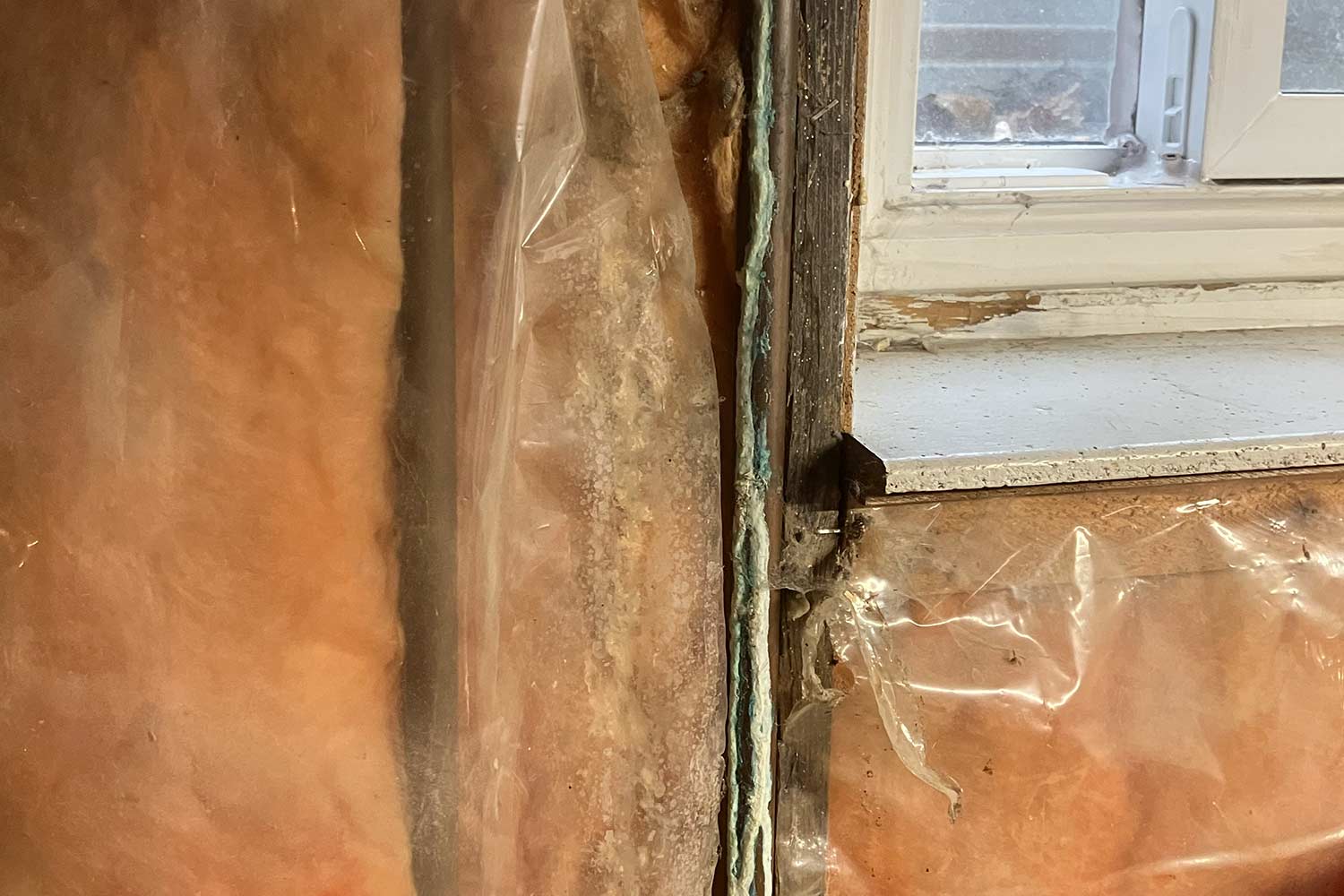
You’re in the basement of an older home, looking at the pipe that comes through the foundation and connects to the water meter. It’s grey, it looks old, and suddenly you’re wondering how long it has been there.
For people living in some of London’s older neighbourhoods, that can raise a bigger question: could the water service line be lead?
The age of the house gives you a useful starting point. Homes built in the early 1950s or before are the ones most worth checking, while newer homes are far more likely to have copper or plastic service lines.
From there, the process is fairly simple: identify the pipe, confirm whether it is lead, understand which portion belongs to you, and decide how to move forward with replacement.
What Part of the Plumbing Could Be Lead?
The main concern in many older homes is the water service line that brings drinking water from the municipal water main into the property.
That service has two sections. The public portion runs from the water main to the property line. The private portion runs from the property line into the home and is the property owner’s responsibility.
Older homes can also contain other plumbing components that may contribute lead to drinking water, including older solder and fittings. The service line is one part of the bigger picture when you are assessing older plumbing.
How Do You Know if Your Home Has a Lead Service Line?
Start with the age of the house.
If the home dates from the early 1950s or earlier, the water service may be lead or another older material. Many older homes have already had their service lines replaced over the years, so the house’s age only tells you it is worth checking.
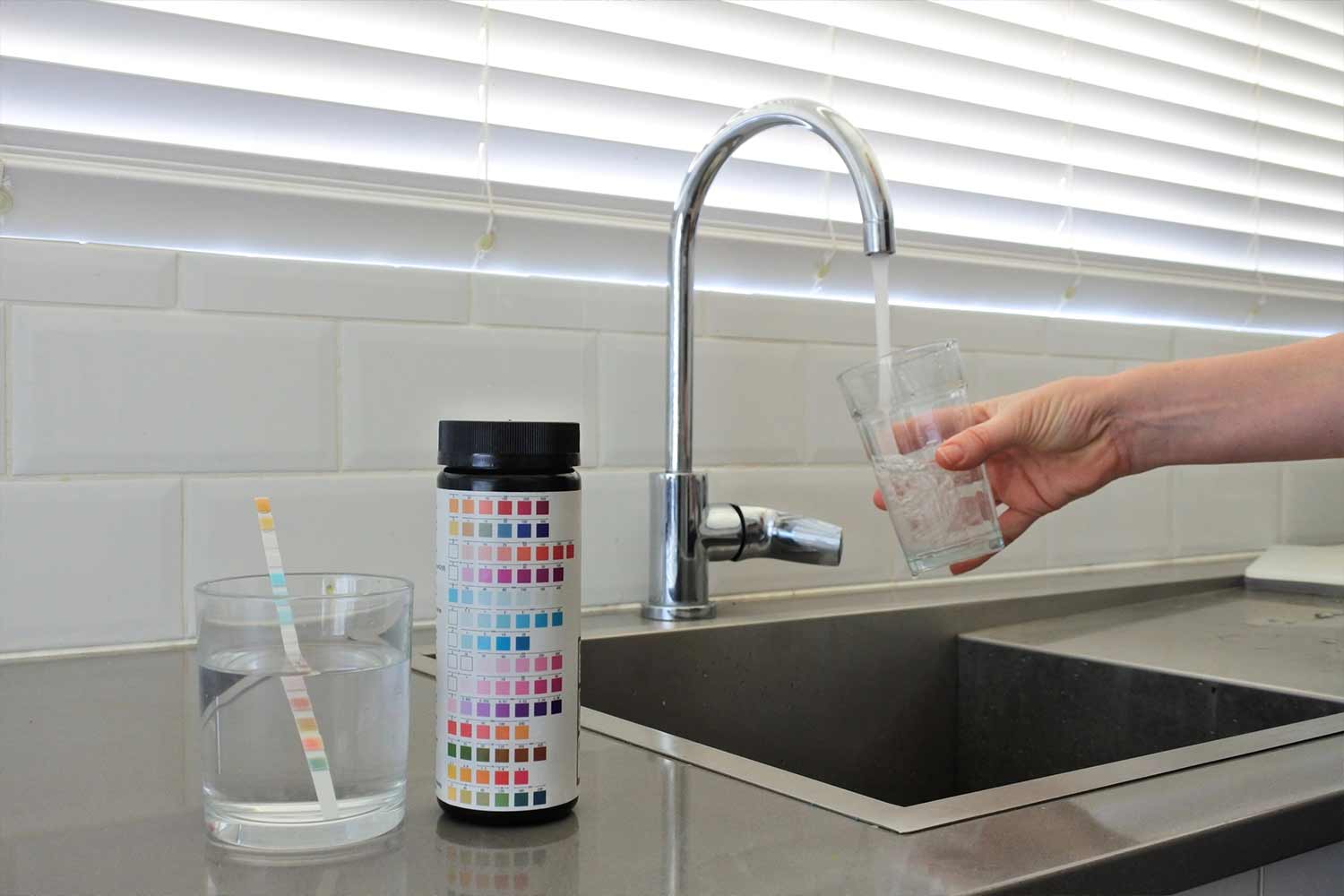
The City of London offers free lead testing for residents of older homes. A plumber can also inspect the pipe where it enters the home near the water meter and help identify the material.
Sometimes the service line is discovered during a basement renovation, a shutoff valve replacement, or another plumbing project. In other cases, the question comes up after nearby infrastructure work.
Either way, confirmation is a useful first step. Once you know what the pipe is made from, you can plan the next move with much more confidence.
Why Replace a Lead Service Line?
Lead can enter drinking water as older plumbing materials corrode over time. Water that sits in contact with those materials for several hours can pick up more lead before it reaches the tap.
Health Canada’s current guideline for lead in drinking water is 0.005 mg/L, or 5 micrograms per litre. Reducing exposure is especially important for young children and during pregnancy.
Replacing the full lead service removes that source from the water system and gives the home a modern service line going forward.
How Lead Service Line Replacement Works
Once the private service has been confirmed as lead, the project usually starts with a licensed plumbing contractor.
The plumber assesses where the line enters the home, how far it runs to the property line, what surfaces are in the way, and how to install the new service.
The work may include:
- Locating the existing service
- Obtaining the required plumbing permit
- Accessing or excavating the private service
- Installing the new water service
- Connecting the line inside the home
- Testing the new service
- Coordinating inspection and public-side work
The property owner pays for the private portion. When that section is replaced, the City can replace the public lead portion from the property line to the water main at no cost, provided the property meets the program requirements.
Older houses can also bring a few surprises. Some metallic water services were once used as part of the electrical grounding system, so you may need to review the grounding when the old pipe is replaced.
What Does Lead Pipe Replacement Cost?
The cost depends heavily on the property.
A short service running through an open lawn is a different job from a long service beneath a driveway, patio, finished landscaping, or other obstacles.
Pricing can be affected by:
- Length of the private service
- Depth of the pipe
- Access to the property line
- Driveways, sidewalks, patios, or landscaping
- Excavation requirements
- Where the service enters the home
- Restoration after the work
An on-site assessment gives a much more useful estimate than a broad per-foot price.
Financial Help Is Available
The City’s Lead Service Extension Replacement Loan Program can help eligible property owners spread the cost of replacing the private portion of the service.
Qualifying applicants can finance that cost and repay it through the property tax bill over ten years.
The program can apply to eligible properties with up to three dwelling units. Arrange it before the replacement work is completed, and check current eligibility requirements before scheduling the project.
For many people, spreading the cost over time can make replacement easier to plan.
What Can You Do While You’re Planning the Replacement?
Testing, estimates, permits, and scheduling can take some time. During that period, there are simple ways to reduce lead exposure.
If water has been sitting in the plumbing for several hours, run the cold tap until the water becomes noticeably colder before using it for drinking or cooking. Use cold water for drinking, cooking, and preparing food, since hot water can pick up more lead from older plumbing materials.
A drinking-water filter certified for lead reduction may also be appropriate if testing has confirmed a concern.
These steps can help reduce exposure while you plan the replacement.
Lead Service Line Replacement From Plumbing For Life
Plumbing For Life has been working in London homes since 1997, including many older properties where plumbing has been repaired, altered, and upgraded over several generations.
If you are unsure what your water service is made from, we can inspect the line, explain what we find, and provide clear pricing for the private-side replacement.
If we confirm a lead service, our team can handle the plumbing work and help you understand the next steps to get the service replaced properly.