Basement flooding is one of the most stressful situations a homeowner in St. Thomas can face. Heavy rainstorms, spring snowmelt, sudden thaws, or overwhelmed sewer lines can turn a dry, comfortable basement into a mess of water damage within minutes. Whether the issue is sewer backup, groundwater seepage, or surface water entering the home, the costs and disruptions can be significant.
What makes basement flooding especially frustrating is that most homeowners do not realize they are at risk until it happens. Many backup and flooding issues can be prevented with the right equipment, good plumbing practices, and periodic inspections. St. Thomas has a mix of older homes, developing neighbourhoods, and varied drainage systems, which means every property has different vulnerabilities.
Why St. Thomas Homes Are Vulnerable to Basement Backups
St. Thomas has seen increased instances of basement flooding over the past decade, partly due to aging infrastructure and partly due to more intense rainfall. Older neighbourhoods often have combined sewer systems, where stormwater and sewage flow through the same pipes. When these systems become overloaded during storms, water has nowhere to go but back into homes.
Certain homes are also built in low-lying areas or near natural drainage paths. During heavy rainfall or rapid snowmelt, the water table can rise quickly, pushing groundwater toward basements. Even newer homes can be affected if sump pumps fail or if drainage systems are incomplete.
Additional factors include:
- Tree roots invading sewer lines
- Settling foundations creating new cracks
- Improperly graded yards directing water toward the home
- Blocked gutters causing overflow near basement windows
Each of these increases the risk of a basement backup or flood.
The Difference Between a Sewer Backup and a Groundwater Flood
Understanding the difference between types of water entry is essential for preventing future incidents.
What Is a Sewer Backup?
A sewer backup occurs when the municipal sewer system becomes overloaded, and sewage reverses direction. Instead of flowing away from the home, wastewater pushes back up through:
- Basement floor drains
- Basement toilets
- Laundry tubs
- Basement showers
This type of flooding is dangerous because the water is contaminated. It often occurs during heavy rainstorms when the city sewer system is at capacity.
What Is Groundwater Flooding?
Groundwater flooding is different. It happens when water enters through:
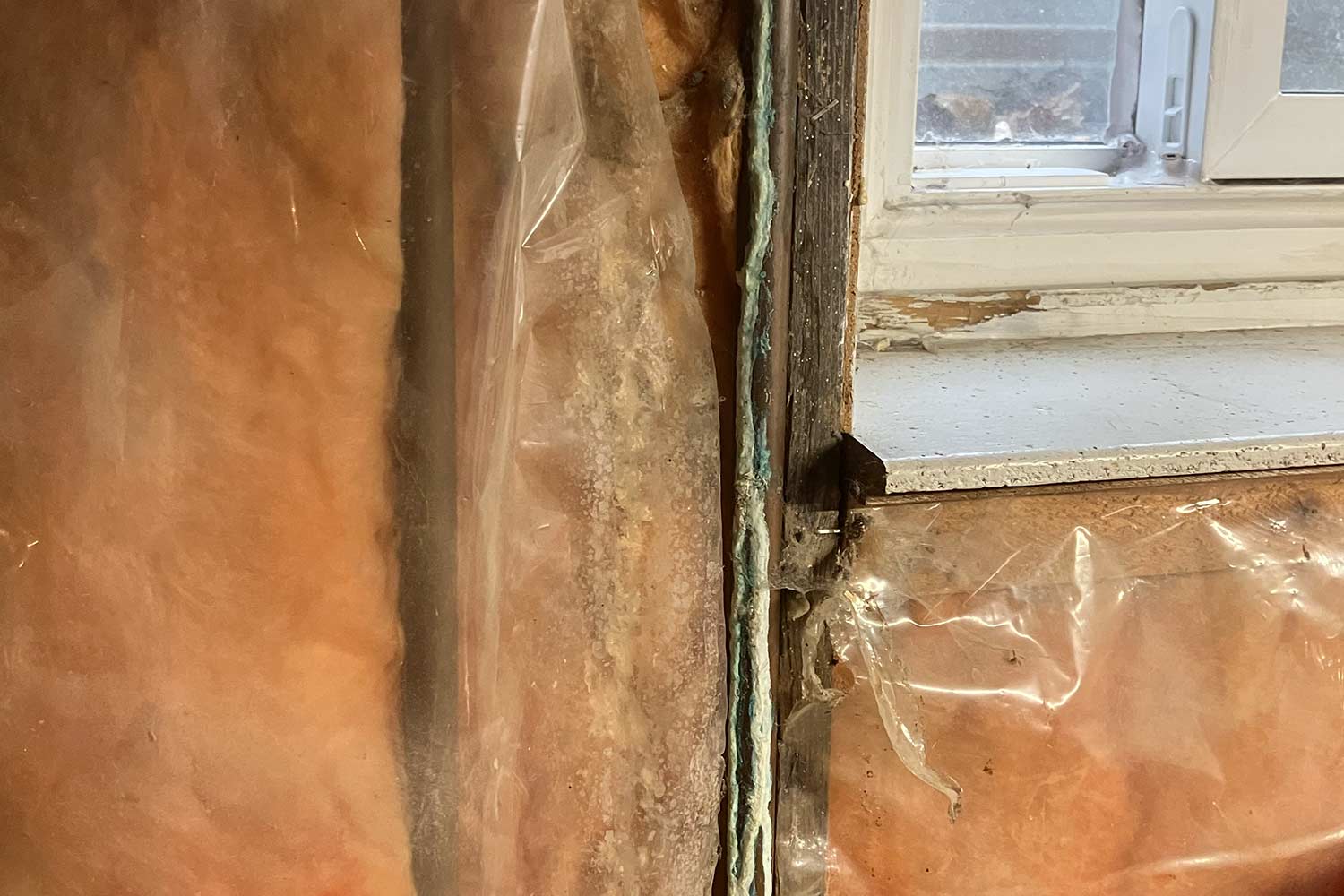
- Cracks in the foundation
- Basement walls
- Basement floors
- Window wells
- The cove joint where the wall meets the floor
This water is usually clear, but the amount can be significant during spring melt or prolonged rainfall. Homes with high water tables or poor drainage are more vulnerable.
Surface Water Intrusion
Surface water intrusion occurs when:
- Gutters overflow
- Downspouts discharge too close to the home
- Yard grading slopes toward the foundation
- Window wells fill with rainwater
All three issues can happen in a single storm if the home is not protected.
Warning Signs That a Basement Backup May Be Developing
Homeowners can often prevent major damage by recognizing early warning signs.
Gurgling Sounds in Drains
This can indicate air being pushed back through the line, which is often an early sign of a sewer backup.
Sewage Smell or Odd Odours From Floor Drains
A warning that the sewer line may be under pressure or partially blocked.
Water Pooling Around Basement Fixtures
Even small puddles can indicate rising water in the sewer system.
Slow Drainage Throughout the Home
This typically means there is a main sewer line problem rather than a localized clog.
Backflow During Storms
If toilets or floor drains bubble or overflow during heavy rainfall, the sewer system is struggling.
Sump Pump Running Nonstop
A sump pump that does not shut off between cycles may be dealing with unusually high groundwater pressure.
If any of these signs are present, taking action immediately can prevent significant flooding.
Essential Equipment for Basement Flood Prevention
Preventing basement flooding requires the right equipment working together as a system.
1. Sump Pump System
A sump pump removes groundwater from around the foundation before it enters the home. It is one of the most effective ways to prevent basement flooding.
A proper sump pump system includes:
- A deep sump basin
- A reliable pump sized for the home
- A discharge line that moves water away from the house
- A check valve to prevent backflow
For homes in older St. Thomas neighbourhoods, a well-functioning sump pump is essential during spring melt and intense storms.
2. Battery Backup Sump Pump
Many basement floods happen during power outages, which often occur during storms. A battery backup system keeps the sump pump running even when electricity is lost. This one upgrade can prevent thousands of dollars in water damage.
3. Backwater Valve
A backwater valve is a critical device that prevents sewage from re-entering the home. Installed on the main sewer line, it automatically closes if the city sewer becomes overwhelmed.
Homeowners should consider installing a backwater valve if:
- Their basement has backed up before
- They live in an older neighbourhood
- Their insurance company requires it
- They want added protection during large storms
4. High Water Alarms
A high water alarm alerts homeowners when the sump pump basin fills beyond normal levels. This gives time to act before flooding happens.
5. Water Leak Detectors
Small, inexpensive leak sensors can warn homeowners when water appears around hot water tanks, sump pits, or basement plumbing fixtures.
Together, these devices form a powerful flood prevention system.
Homeowner Prevention Steps Anyone Can Take
Even small habits can significantly reduce flood risks.
Maintain Gutters and Downspouts
Gutters should be cleaned regularly, and downspouts must extend several feet away from the foundation.
Check the Grading Around the Home
The soil should slope away from the house to prevent water from pooling near basement walls.
Clear Basement Floor Drains
Remove debris so water can flow freely in case of emergencies.
Avoid Pouring Grease or Large Items Down Drains
Grease solidifies in sewer lines, increasing the chance of blockages.
Schedule Sewer Line Inspections
Older sewer lines in St. Thomas are vulnerable to tree roots, debris, and collapse.
These basic steps can dramatically reduce the chance of a flood.
How Professional Plumbers Prevent Basement Backups
Professional plumbers offer advanced solutions to protect a home long-term.
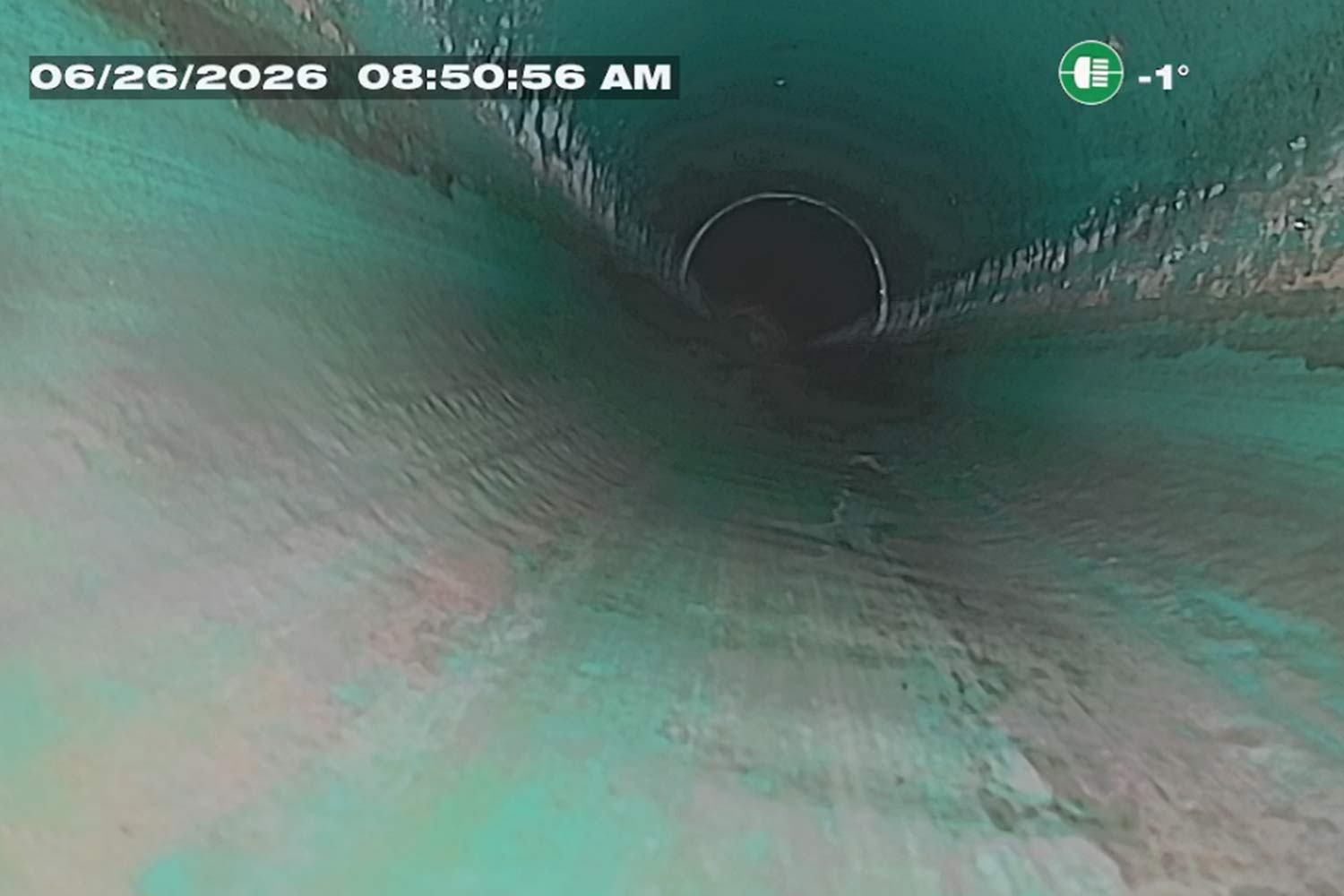
Sewer Line Camera Inspection
A high-resolution camera shows exactly what is happening inside the sewer line. This helps detect:
- Tree root intrusion
- Cracked pipes
- Collapsed sections
- Blockages from grease or debris
Backwater Valve Installation or Replacement
A properly installed backwater valve is one of the strongest defences against sewer backups.
Sump Pump and Battery Backup Installation
Professionals ensure pumps are sized correctly and installed with reliable discharge routes.
Basement Flood Prevention Planning
A customized plan may include sump upgrades, drainage improvements, backwater valves, and waterproofing recommendations.
By combining professional expertise with homeowner maintenance, the risk of basement flooding can be reduced dramatically.
The Costs of Ignoring Basement Backup Risks
Basement floods can cause significant damage.
Potential consequences include:
- Loss of finished flooring and drywall
- Damage to furniture and personal belongings
- Mould growth that affects indoor air quality
- Electrical hazards
- Expensive cleanup and restoration costs
- Insurance complications or denied claims
- Repeat flooding if the original issue is not corrected
Often, a single flood costs far more than installing proper prevention equipment.
City Rebates and Local Support in St. Thomas
Many Ontario municipalities offer rebates for:
- Sump pump installation
- Backwater valves
- Disconnecting foundation drains from the sewer system
Homeowners in St. Thomas should check the latest programs and eligibility requirements. Professional plumbers often provide documentation and support to help homeowners complete rebate applications successfully.
Schedule Your Basement Flood Prevention Inspection
Basement backups rarely happen without warning. With the right preventative equipment, good drainage habits, and a professional inspection, you can protect your home from flooding during storms, spring melt, or sewer overloads.
If you would like help choosing the right upgrades for your home, our Plumber in St. Thomas, Ontario team can walk you through options like sump pump systems, battery backups, and backwater valves based on your property’s risk factors.
Plumbing For Life has served London, St. Thomas, and the surrounding communities since 1997. As a family-owned company, we are known for honest recommendations and high-quality workmanship.