Few things are as alarming as noticing a sewer-like smell inside your home. It can appear suddenly, linger without explanation, or come and go depending on the time of day. For homeowners in London, Ontario, this is a surprisingly common issue, especially in older homes or during seasonal changes.
While the smell itself is unpleasant, it is also an important signal. Plumbing systems are designed specifically to keep sewer gases outside of living spaces. When those gases are noticeable indoors, something in the system is no longer working the way it should. Understanding what causes sewer gas smells and what they mean can help homeowners take the right steps before the problem grows worse.
What Sewer Gas Smell Really Is and Why It Happens
Sewer gas is a mixture of gases produced as waste breaks down in sewer lines. Under normal conditions, these gases are safely contained and vented away from the home through plumbing vents on the roof. You should never smell them inside living areas.
Every plumbing system includes protective features that block sewer gas. Drain traps hold water to create a seal. Vent pipes balance air pressure so that traps are not siphoned dry. When all components are functioning properly, sewer gas stays where it belongs.
If you smell sewer gas indoors, it usually means that one of these protective barriers has failed. The cause may be simple, or it may point to a deeper issue within the plumbing or drainage system.
Common Causes of Sewer Gas Smells in London Homes
One of the most common causes of sewer gas odour is a dry drain trap. Floor drains, basement sinks, and guest bathroom fixtures that are rarely used can dry out over time. When the water seal disappears, sewer gas has a clear path into the home.
Ventilation issues are another frequent cause. Plumbing vents can become blocked by debris, ice buildup, or nesting animals. When vents are restricted, pressure imbalances can pull water out of traps or force gas back into the home.
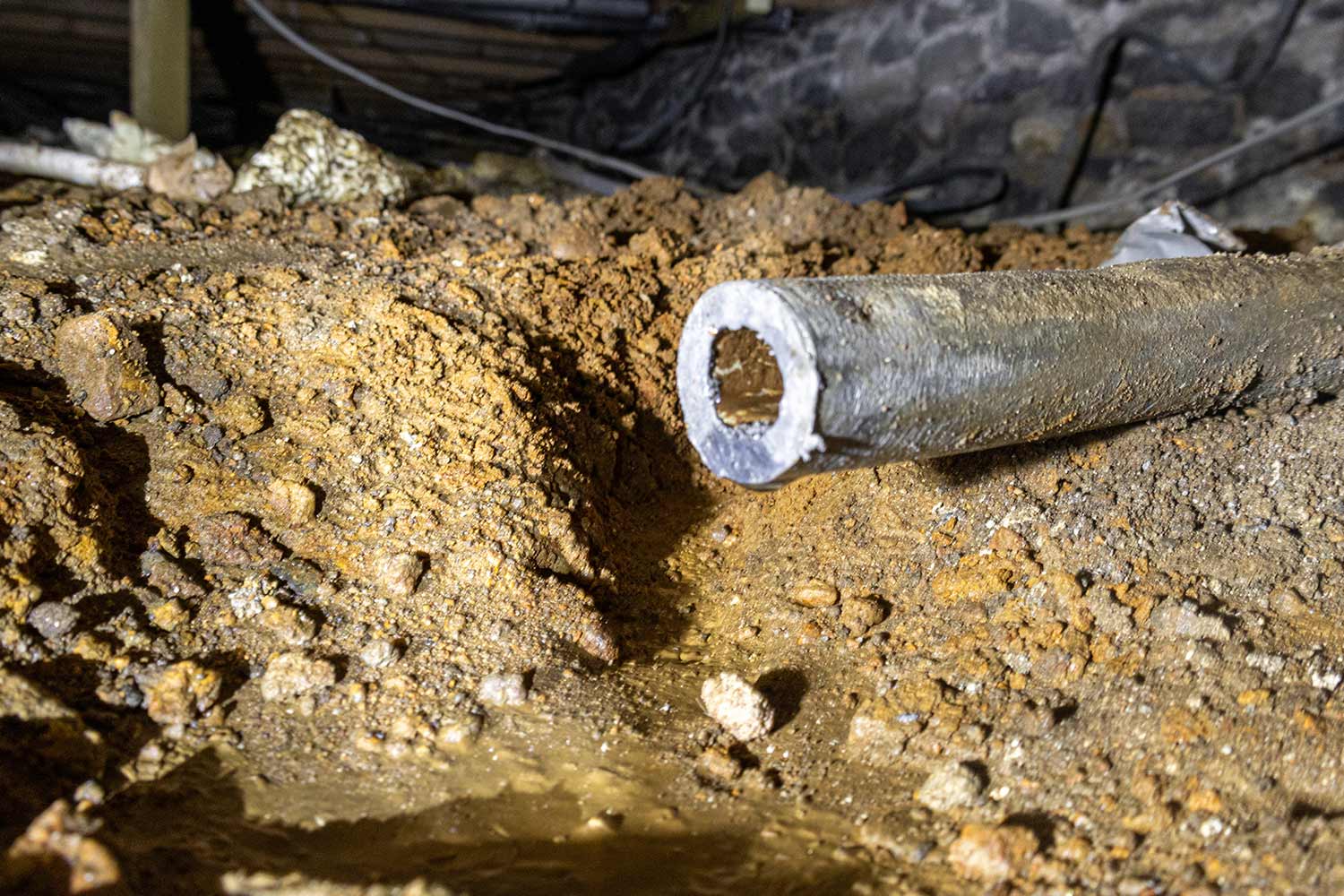
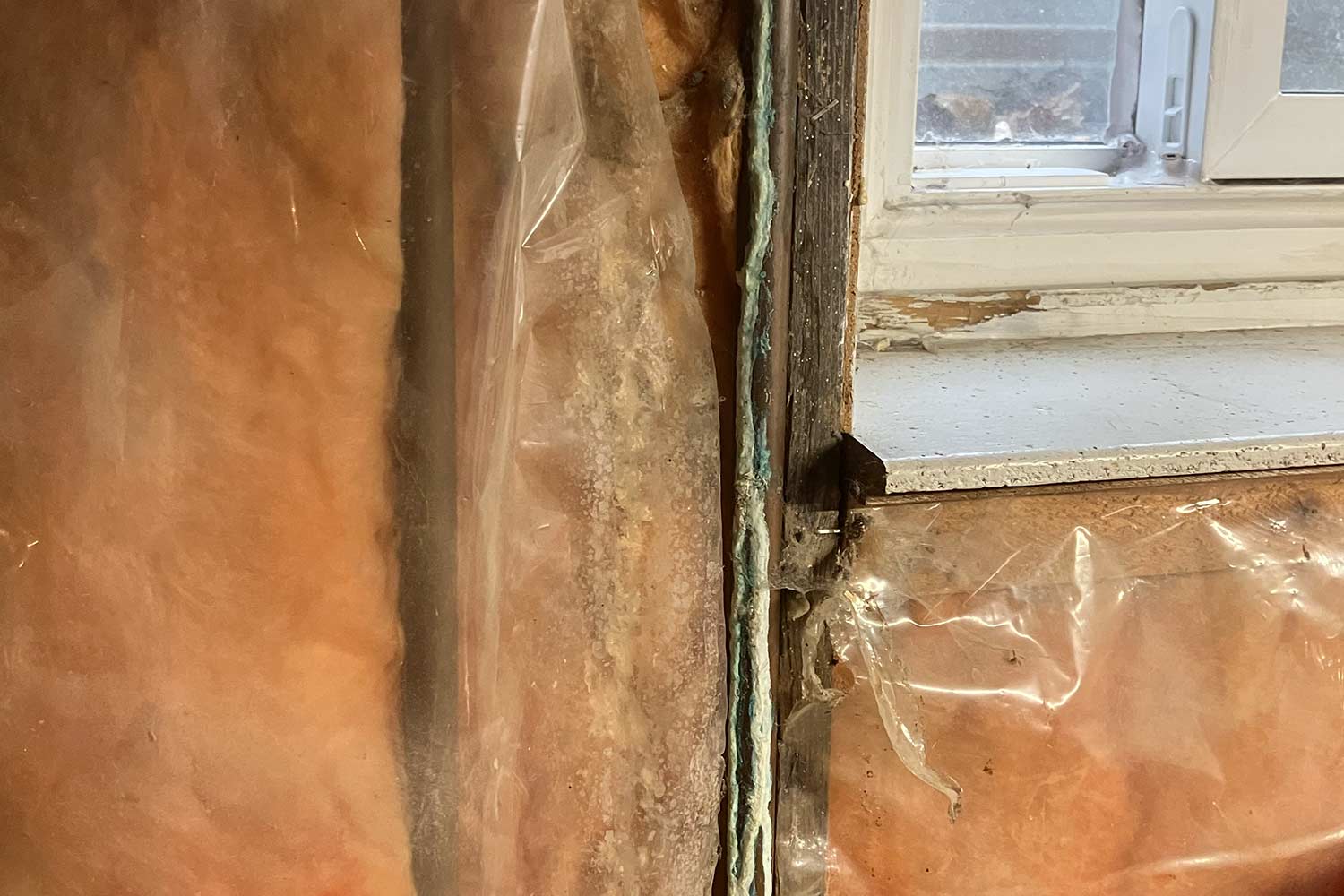
Cracked or leaking drain pipes can also release sewer gas. These leaks are often hidden behind walls or beneath concrete floors, making them difficult to detect without professional tools.
In many London homes, sump pumps and floor drains play a role as well. Improperly sealed sump pits or failing check valves can allow sewer odours to enter basement spaces.
Seasonal factors matter too. Cold weather can affect venting and trap performance. Pressure changes during winter months may cause sewer smells to appear more frequently in Ontario homes.
Why Sewer Gas Smells Should Not Be Ignored
It is tempting to treat sewer gas smells as a minor annoyance, especially if they fade after a while. Ignoring them, however, can lead to more serious consequences.
Prolonged exposure to sewer gas can cause headaches, nausea, and respiratory discomfort. While occasional brief exposure is unlikely to cause severe harm, persistent odours indicate a condition that should be corrected.
From a plumbing perspective, sewer gas smells often signal active problems. A dry trap is easy to fix, but a cracked drain pipe or venting issue can worsen over time. Moisture from leaks can damage building materials and encourage mould growth.
There is also the risk of escalation. What begins as an occasional smell can turn into slow drains, backups, or emergency plumbing situations if the root cause is not addressed.
When Sewer Gas Indicates a Bigger Plumbing Problem
Not all sewer gas smells mean the same thing. Odours that appear briefly and disappear after running water may point to a simple trap issue. Persistent smells that return frequently suggest a deeper problem.
If sewer gas appears after drain cleaning or renovation work, it may indicate a disturbed trap or an improperly sealed connection. Odours combined with gurgling sounds, slow drains, or water backups are signs that the drainage system may be compromised.
Hidden leaks are another concern. Sewer gas accompanied by unexplained moisture, staining, or soft flooring can indicate leaking pipes beneath the surface. These situations require prompt professional evaluation.
Understanding the pattern and context of the smell helps determine whether the issue is minor or something that needs immediate attention.
What Homeowners Can Check Before Calling a Plumber
There are a few safe steps homeowners can take before scheduling a plumbing service. Running water in all drains, including floor drains and basement fixtures, can restore dry traps. This simple step resolves many odour complaints.
A visual check around sump pits and floor drains may reveal obvious issues such as missing covers or dried-out seals. Ensuring that toilet bases are secure and free of movement can also rule out wax seal problems.
What homeowners should avoid is attempting to mask the smell with chemicals or air fresheners. These approaches hide the symptom without addressing the cause. Pouring harsh chemicals down drains can also damage pipes and worsen existing problems.
If basic checks do not resolve the odour, it is time to involve a professional plumber.
How Plumbing For Life Diagnoses and Fixes Sewer Gas Issues
Sewer gas smells are more than a nuisance. They are a warning sign that your plumbing needs attention. In London, Ontario, seasonal shifts and aging pipes often lead to dried-out traps, cracked vents, or faulty sump connections that compromise your air quality.
Plumbing For Life specializes in identifying these root causes. Our licensed technicians use advanced leak detection to find hidden issues without disrupting your home. We provide clear, upfront pricing and long-term repairs backed by guaranteed workmanship. Addressing these odours early is the most cost-effective way to keep your home safe and functioning properly.
Stop living with unpleasant odours and protect your home’s air quality. Contact Plumbing For Life today to request your free quote.