Water quality plays a big role in a home’s comfort and efficiency, yet most people don’t think about it until problems appear. Streaky glassware, stiff laundry, or a water heater that struggles to keep up can all point to one common issue: hard water. For families in London, Ontario, knowing whether the water is hard or soft is the first step toward protecting plumbing systems and enjoying better water at home.
What Does Hard Water Mean?
Hard water simply means water with a higher concentration of dissolved minerals, mainly calcium and magnesium. These minerals are picked up naturally as water moves through soil and rock layers. The higher the mineral content, the harder the water.
Water’s hardness is usually measured in milligrams per litre (mg/L) or grains per gallon (gpg). To give context, water with less than 60 mg/L is considered soft, 61–120 mg/L is moderately hard, 121–180 mg/L is hard, and anything above 180 mg/L is very hard. In grains per gallon, 1 gpg equals 17.1 mg/L.
London, Ontario Water Hardness Levels
In London, water hardness generally falls between 89.5 and 113 mg/L, or about 5.3 to 6.6 grains per gallon. That places the city in the moderately hard category. While this isn’t the hardest water in Ontario, it is enough to create noticeable effects in daily life.
Ontario’s geology explains much of this. The province has many areas with limestone and other mineral-rich formations. As groundwater moves through these layers, it absorbs calcium and magnesium, which then travel into household water supplies. London’s hardness levels are a result of this natural process.
How London Compares to the Rest of Ontario and Canada
Across Ontario, water hardness levels vary widely. Cities such as Waterloo and Guelph often report water hardness that exceeds 300 mg/L, which is considered very hard. By comparison, London’s water is not extreme, but it still sits above the Canadian average.
Nationally, many regions of Canada enjoy softer water, often below 80 mg/L. Ontario and the Prairie provinces are known for much higher mineral content, making water softeners common in these areas. London falls right in the middle: harder than much of the country, but not at the top of Ontario’s range.
Everyday Signs of Hard Water
Even at moderate levels, hard water leaves a mark. Homeowners in London often notice the following:
- Spots on dishes and glassware after running the dishwasher.
- Film on shower doors and faucets that take effort to clean.
- Soap that doesn’t lather well, leaving skin feeling dry and hair less manageable.
- Laundry that feels stiff or looks dull after washing.
- Appliances that wear out sooner, particularly dishwashers and washing machines.
- Water heaters that work harder, leading to higher energy bills.
These are more than inconveniences. Over time, they add to household expenses and frustration.
Problems Hard Water Causes for Plumbing Systems
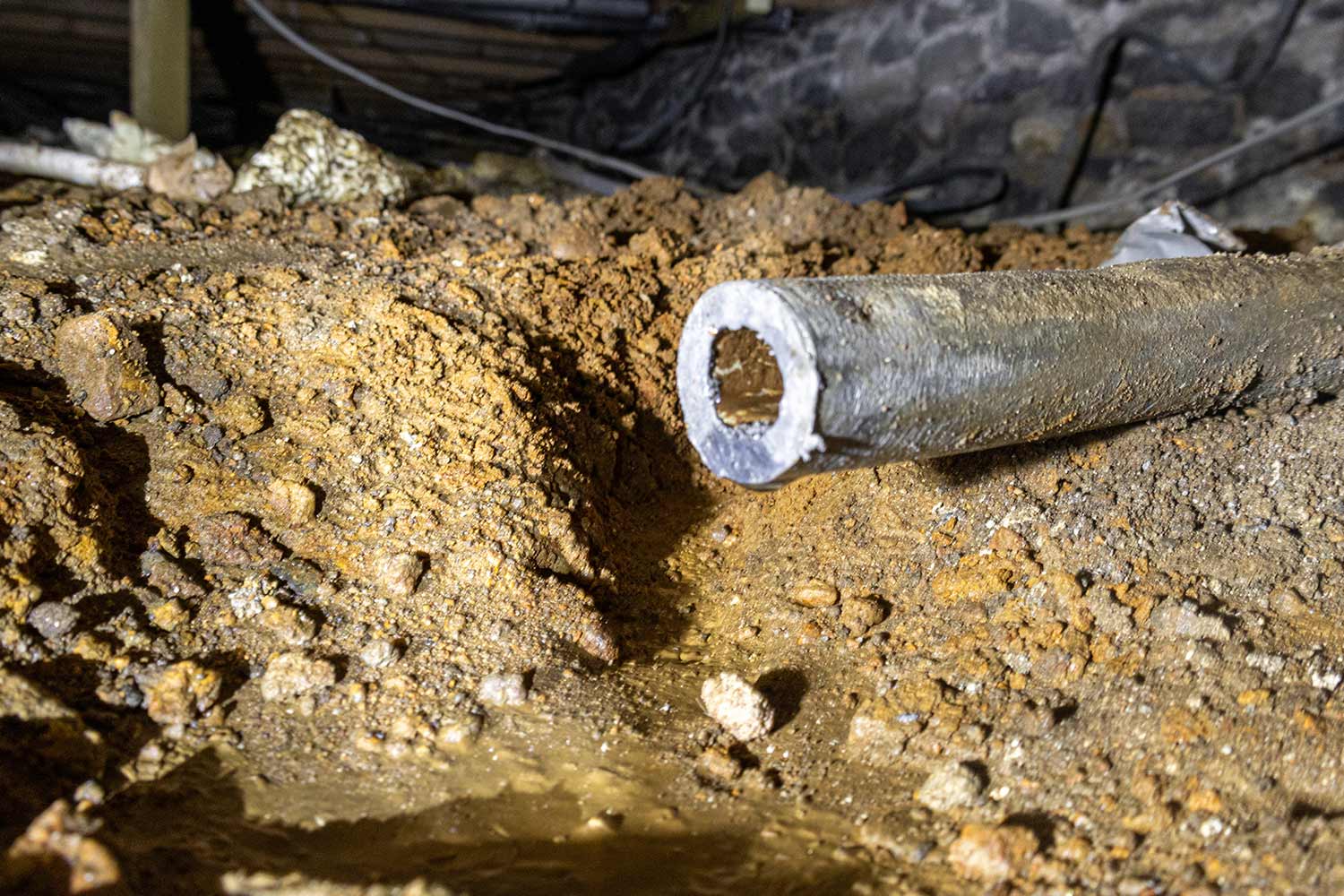
Plumbing systems suffer from hard water. As minerals flow through the pipes, they settle on the inner walls, slowly narrowing the passage for water. This buildup, known as scale, reduces water pressure and increases the risk of clogs.
Water heaters are especially vulnerable. When minerals settle at the bottom of a tank or on heating elements, the system must work harder to deliver the same amount of hot water. That strain raises utility costs and shortens the lifespan of the unit.
Fixtures like faucets, showerheads, and valves also experience reduced efficiency as scale collects. Sump pumps, which are crucial for many London basements, can also suffer from mineral deposits. Even if the system doesn’t break right away, performance issues and repairs become more frequent.
Solutions for Hard Water in London
The most reliable solution for hard water is installing a water softener. This system exchanges the calcium and magnesium ions for sodium ions, effectively removing the hardness that causes scale and buildup.
With softened water, homeowners notice immediate differences:
- Dishes come out clear and spot-free.
- Soap and shampoo lather easily, leaving skin and hair smoother.
- Laundry feels softer and lasts longer.
- Appliances run efficiently, extending their lifespan.
- Water heaters consume less energy, lowering monthly bills.
Other treatment options exist for specialized needs, such as water filters or conditioners, but a softener remains the gold standard for hard water in Ontario homes.
Do I Need a Water Softener?
London’s water may only be moderately hard, but the effects are still noticeable. Whether or not a softener is worthwhile depends on a few factors:
- Family size: Larger households use more water, making the impact of hard water more significant.
- Appliance use: Homes with multiple dishwashers, laundry loads, or frequent hot water use see faster wear and tear.
- Plumbing condition: Older plumbing systems are more vulnerable to scale buildup.
Even moderate hardness levels create long-term costs through higher energy bills and shortened appliance lifespans. For many London families, installing a water softener is an investment that pays back in both comfort and savings.
Take Control of Your Water Quality Today
Plumbing For Life has been helping London and the surrounding area manage water quality since 1997. Our licensed and insured team installs and services water softeners along with the full range of plumbing equipment, always with guaranteed workmanship and upfront pricing. Families and businesses count on us for reliable solutions that extend the life of their systems and bring greater comfort every day.
Although hard water may not be the most severe in Ontario, it still affects appliances, plumbing, and daily routines across the community. The right water softener provides cleaner water, longer-lasting systems, and lower utility costs.
Schedule your appointment today and take the first step toward solving hard water problems with a trusted local team.