A clogged drain is not unusual. Most homeowners deal with it at some point. What becomes a problem is when the clog keeps coming back.
You clear it, things seem fine for a few days or weeks, and then the same issue returns. In many London homes, this pattern is a sign that the problem was never fully resolved to begin with.
A recurring clogged drain is not a one-time blockage. It usually indicates a buildup, damage, or restriction within the system that continues to interfere with normal water flow.
Understanding what is actually happening is the first step toward fixing it properly.
Why Your Drain Keeps Clogging Instead of Clearing Properly
When a drain keeps backing up, it typically means something inside the pipe is restricting flow.
In many cases, the clog is only partially removed. Basic tools like plungers or store-bought cleaners may create a temporary opening, but they do not fully clear the line.
As a result:
- Water begins to drain normally for a short period
- Remaining debris continues to collect inside the pipe
- The blockage gradually reforms
In London homes, this issue can be more pronounced due to older plumbing systems. Pipes may have narrowing, corrosion, or small imperfections that make it easier for debris to catch and build up over time.
This is why a plugged drain in London, Ontario, often becomes a recurring issue rather than a one-time inconvenience.
What’s Actually Happening Inside Your Pipes
Inside the pipe, a recurring clog usually starts with a small obstruction.
This could be grease, hair, soap residue, or another material that does not fully pass through the system. Once that material catches on a rough surface or joint, it begins to collect additional debris.
Over time:
- The opening inside the pipe becomes narrower
- Water flow slows down
- Pressure increases within the system
Eventually, water can no longer pass through efficiently. This leads to slow drainage, gurgling sounds, and backups.
Even if the blockage is temporarily moved, the underlying buildup remains. That is why the problem returns.
Common Causes of Recurring Clogged Drains in London Homes
Recurring clogs are usually tied to one or more underlying causes.
Grease and Kitchen Buildup
Grease does not stay in liquid form once it enters the pipes. As it cools, it solidifies and sticks to the inner walls.
Over time, this layer thickens and begins to trap food particles and other debris. This is one of the most common causes of repeated kitchen drain issues.
Hair and Bathroom Debris
In bathroom drains, hair combines with soap residue and other materials to form dense clumps.
These clumps do not easily break down and tend to catch on pipe surfaces. As more material collects, the blockage grows.
“Flushable” Products and Improper Use
Products labelled as flushable often do not break down the way toilet paper does.
Instead, they remain intact and begin to accumulate inside the system. Once they catch on rough areas or existing buildup, they create larger obstructions that lead to recurring clogs.
Tree Root Intrusion
Tree roots are a common issue in many London properties.
Roots naturally seek out moisture and can enter sewer lines through small cracks or joints. Once inside, they create a physical barrier that catches debris.
This not only restricts flow but also accelerates the buildup of other materials inside the pipe.
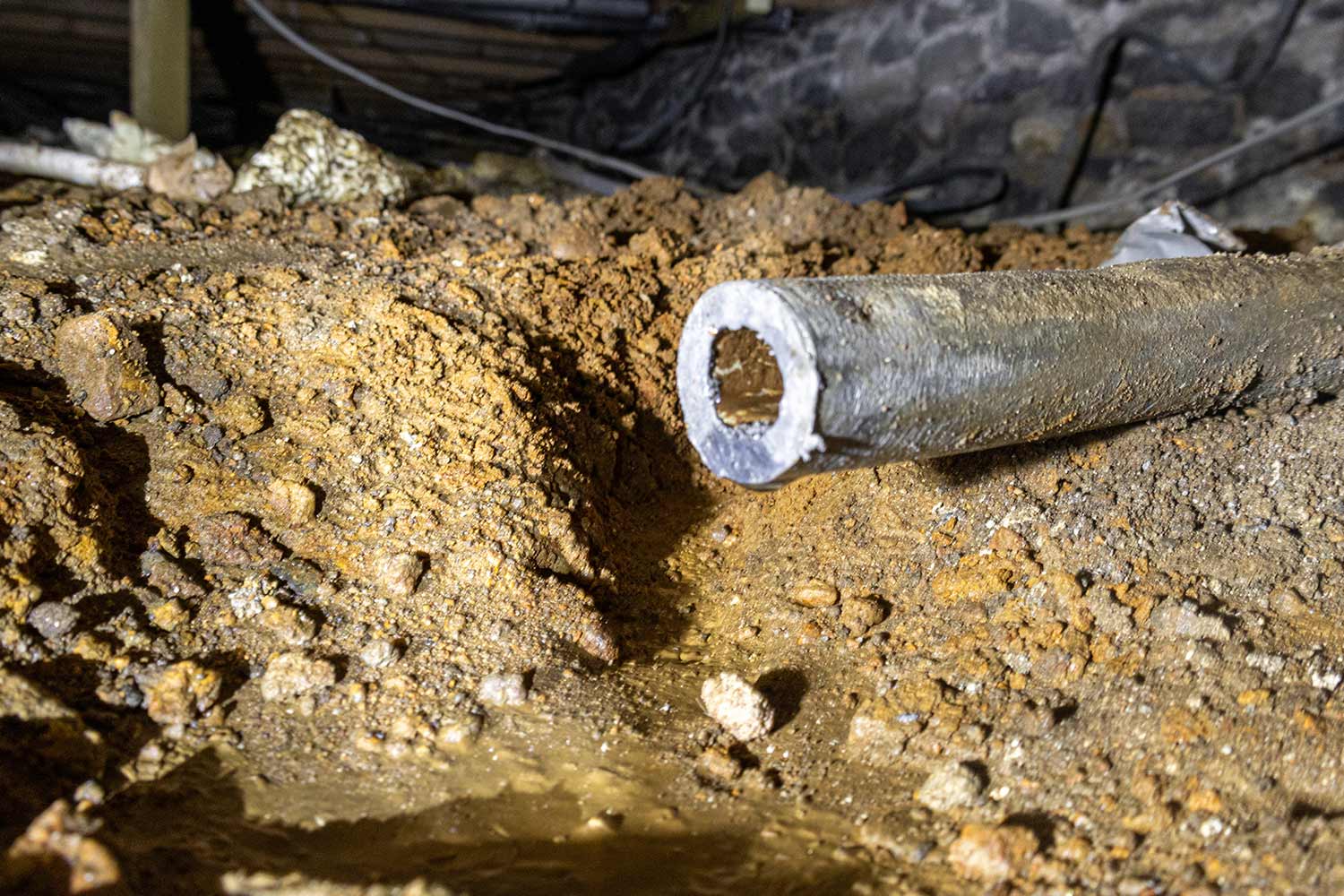
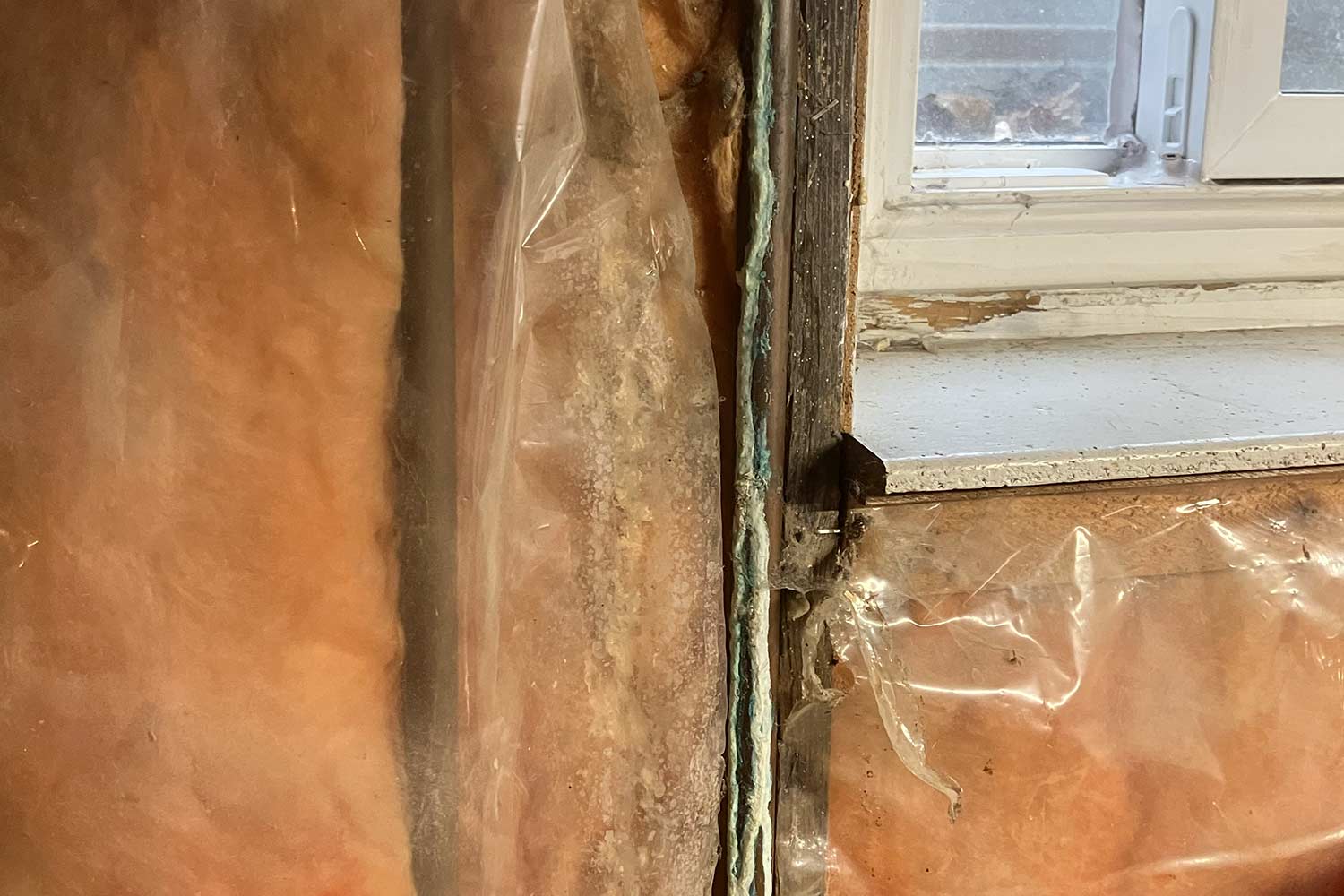
Aging or Damaged Pipes
Older plumbing systems often have internal wear that makes them more prone to clogs.
Corrosion, scaling, and slight misalignments create surfaces where debris can collect more easily. In these cases, the problem is not just what goes down the drain but the condition of the pipe itself.
Why Store-Bought Fixes and Plunging Don’t Solve the Problem
Most temporary solutions focus on restoring flow rather than removing the cause.
Plunging can shift a blockage enough to allow water through, but it does not eliminate the buildup. The same material remains inside the pipe, continuing to collect debris.
Chemical cleaners are also limited in effectiveness. They are not designed to break down solid obstructions like grease buildup, hair clumps, or wipes. In some cases, they can also damage pipes, especially in older systems.
This is why the drain keeps backing up even after it seems to have been cleared.
Drain Snake vs Hydro Jetting: What Actually Works
When a clog keeps returning, the solution depends on how severe the buildup is and what is causing it.
When a Drain Snake Is the Right Solution
A drain snake is designed to break apart or pull out localized blockages.
It is effective for:
- Smaller clogs
- Obstructions close to the drain opening
- Situations where the pipe is otherwise in good condition
However, a snake typically clears a path rather than cleaning the entire pipe. Residue left behind can allow buildup to return.
When Hydro Jetting Is Needed
Hydro jetting uses high-pressure water to clean the inside of the pipe.
Instead of breaking through a blockage, it removes:
- Grease buildup
- Debris along pipe walls
- Residue that contributes to recurring clogs
This method is often the most effective approach to achieving long-term results, especially when the problem has been developing over time.
Choosing the Right Approach for Your Situation
The right method depends on:
- The type of blockage
- The condition of the pipes
- How often the issue occurs
In many cases, recurring clogged drains in London, ON require a more thorough cleaning approach rather than repeated temporary fixes.
If the same blockage keeps returning, professional drain cleaning in London can help clear the buildup more thoroughly and determine whether there is a deeper problem in the line.
Signs Your Drain Problem Is Getting Worse
Recurring clogs often follow a pattern before becoming more serious.
Watch for:
- Clogs happening more frequently
- Water draining slower across multiple fixtures
- Gurgling sounds from pipes
- Water backing up in sinks, tubs, or floor drains
- Unpleasant odours coming from drains
These signs usually indicate that the buildup is increasing or that the system is under strain.
When to Call a Professional for Drain Cleaning in London
If a drain continues to clog, it is usually a sign that the issue extends beyond what basic tools can resolve.
Professional drain cleaning in London involves:
- Identifying the exact cause of the blockage
- Assessing the condition of the pipes
- Fully clearing the line rather than creating a temporary opening
In some cases, camera inspections are used to locate deeper issues such as root intrusion or pipe damage.
This approach ensures that the problem is addressed at its source.
How to Prevent Drains from Clogging Again
Preventing recurring clogs is less about frequent fixes and more about reducing buildup over time.
Key steps include:
- Avoid putting grease or food waste down kitchen drains
- Dispose of wipes and similar products in the trash
- Address slow drainage early before it worsens
- Schedule periodic maintenance if issues have occurred before
These steps help reduce the conditions that lead to repeated blockages.
A More Reliable Way to Fix Recurring Drain Problems
Recurring clogs are often treated as isolated issues, but they are usually part of a larger pattern within the plumbing system.
A more effective approach focuses on:
- Understanding what is causing the buildup
- Removing it completely
- Preventing it from returning
This reduces the need for repeated repairs and helps maintain consistent system performance.
Need Help with a Recurring Clogged Drain in London, ON?
If your drain keeps backing up, it is worth taking a closer look at what is happening inside your plumbing system.
Plumbing For Life works with homeowners across London and the surrounding areas to diagnose and resolve recurring drain issues at their source. Our licensed and insured technicians focus on clear communication, proper diagnosis, and solutions that last.
With upfront pricing, no hidden fees, and service backed by years of experience, the goal is to fix the problem properly rather than temporarily.
If you are dealing with a recurring clogged drain in London, ON, addressing it early can help prevent more disruptive and costly issues later on.