As fall arrives and temperatures begin to drop across London, Ontario, it is a clear signal to prepare your plumbing system for the months ahead. Winter can be unforgiving, especially for homeowners who wait too long to act. Frozen pipes, broken sump pumps, and water heater failures are all too common when seasonal maintenance is skipped. With a few smart moves each fall, it becomes much easier to avoid major headaches when the cold sets in.
The good news is that most cold-weather plumbing problems are entirely preventable. Taking time now to follow a proper checklist can save thousands in repair bills later. Whether the home is brand new or decades old, seasonal plumbing upkeep is always worth the effort.
Why Plumbing Prep Matters in Fall and Winter
Ontario winters can go from crisp to brutal in the blink of an eye. That swing in temperature puts enormous stress on pipes, drains, and water systems. Frozen water expands with force, which means even a small crack in an uninsulated pipe can lead to a full rupture. Burst pipes are messy, expensive, and often catch homeowners off guard.
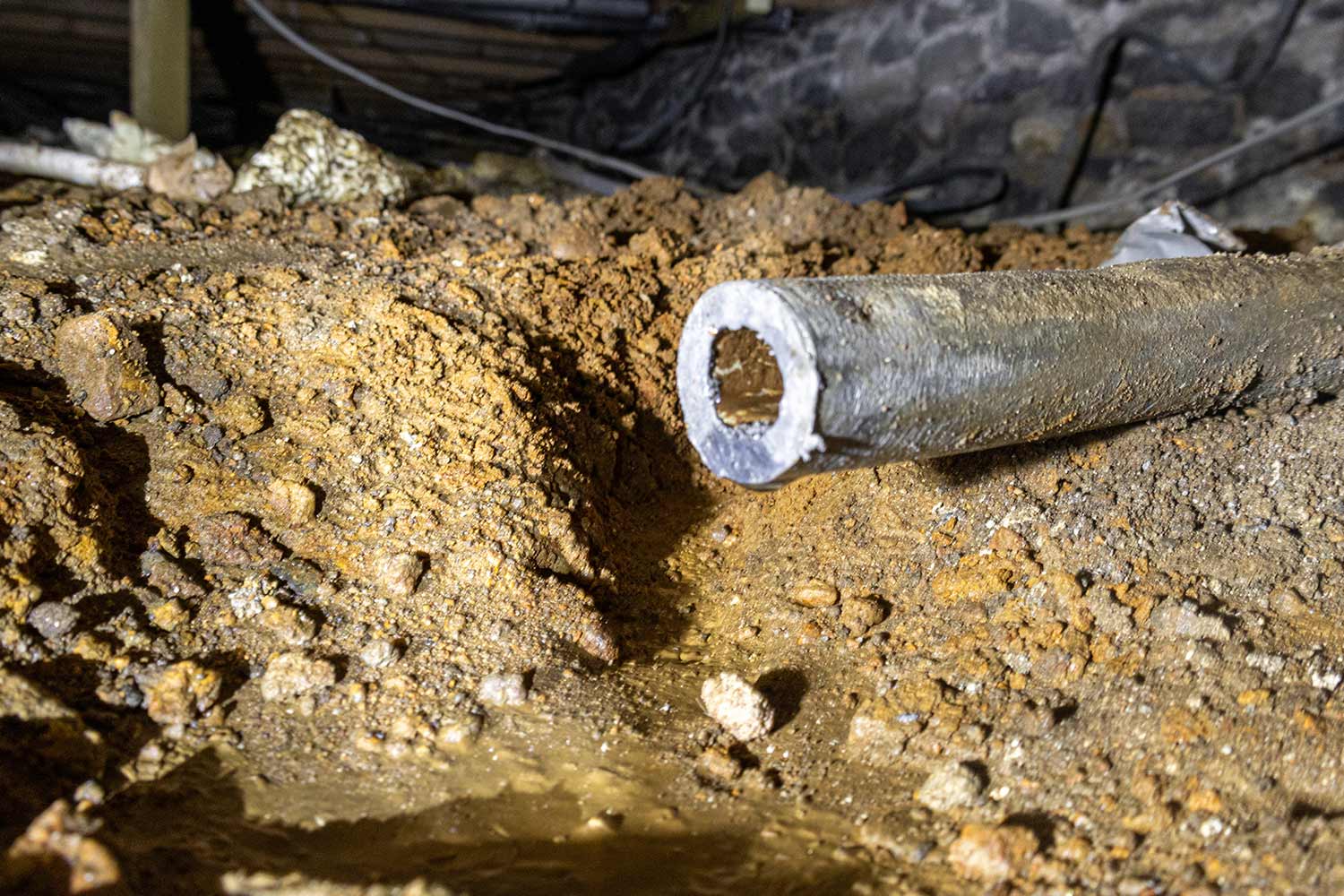
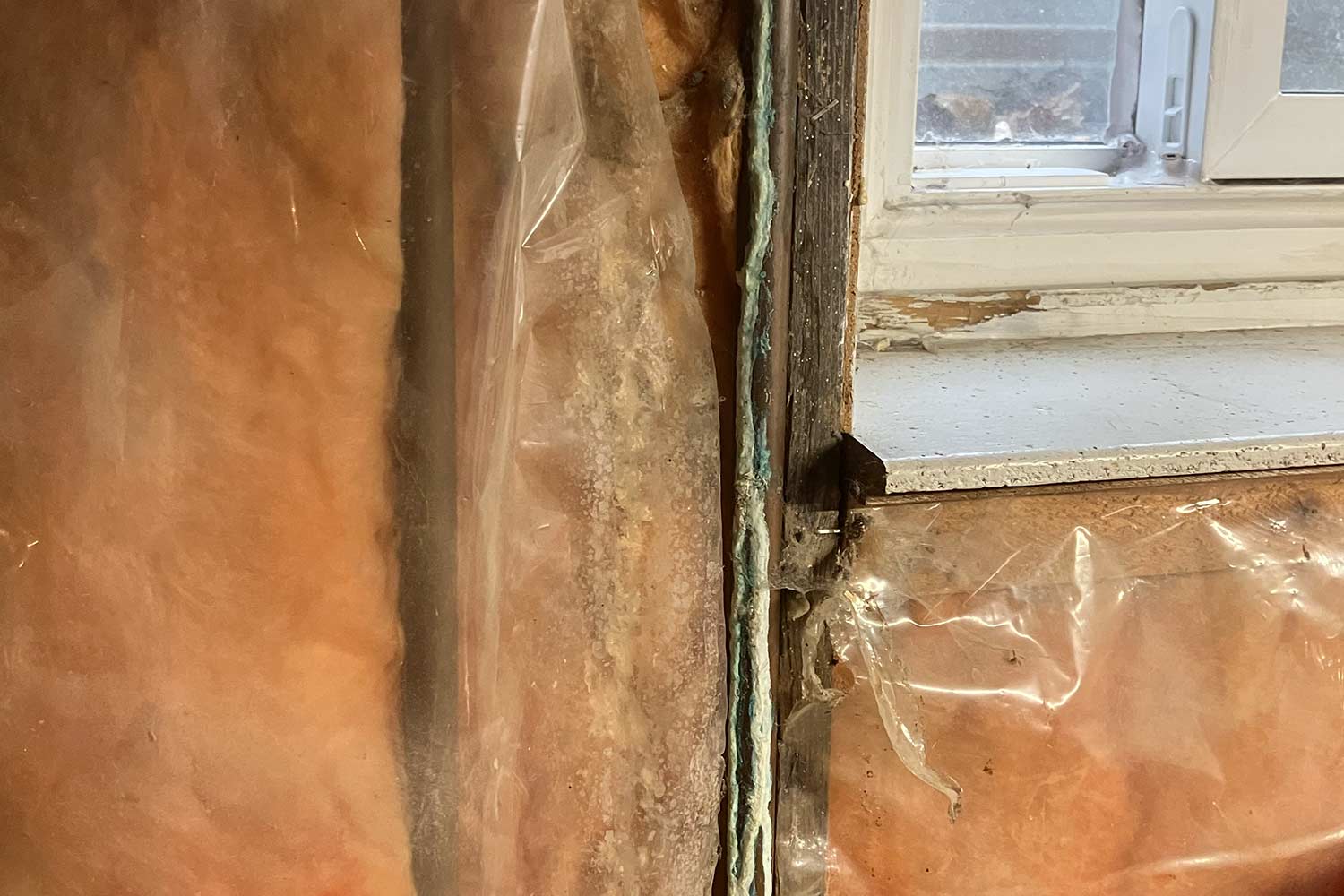
This is especially true in older homes where pipes may not be adequately insulated or sealed. Basement plumbing, garage spigots, outdoor lines, and crawlspace piping are some of the first to suffer. The best way to avoid water damage and emergency calls in the middle of winter is to complete a fall checklist well in advance.
Drain and Pipe Protection Before the Freeze
Begin by focusing on the drain and piping system. Fall is the ideal time to clear out clogged or slow-moving drains before they freeze. Grease buildup, food particles, hair, and soap residue can harden in winter, causing blockages.
Next, inspect exposed piping in basements, garages, sheds, and exterior walls. These are common areas where pipes are prone to freezing. Foam pipe insulation is a small investment that can make a big difference. In extreme cases, heat tape might be needed to protect especially vulnerable lines.
Don’t forget to shut off and drain all outdoor hose bibs and irrigation systems. Leaving them connected can cause pipes to crack behind the walls, often unnoticed until the following season. A few minutes spent draining the system now avoids a spring flood later.
Water Heater and Tankless System Readiness
No one wants to lose hot water in the middle of a snowstorm. That is why the water heater deserves special attention during fall maintenance. Start by checking the age and condition of the unit. Traditional tank-style heaters typically last 8 to 12 years. Tankless systems may last longer, but still need routine care.
One of the most important tasks is flushing the tank to remove sediment buildup. Minerals from hard water settle at the bottom over time, reducing efficiency and shortening the lifespan of the water heater. Flushing the system each year before winter ensures better heating performance when demand is highest.
Tankless units should be checked for scale buildup and cleaned using the appropriate solution. Inspect connections, power sources, and venting as well. Any signs of corrosion or irregular heat delivery should be addressed before cold weather hits.
Sump Pump and Basement Flood Prevention
Many homeowners overlook the sump pump until it is too late. But when snow begins to melt in early spring, that pump becomes one of the most important tools in the home. To avoid a flooded basement, the best time to test it is during the fall.
Start by pouring water into the pit to see if the pump activates. If it does not run or fails to shut off properly, further inspection is needed. Also, check the backup power system to ensure it can take over in the event of an outage.
Discharge lines that carry water away from the house should be clear and sloped away from the foundation to prevent water from accumulating around the house. These pipes can freeze if they are clogged or poorly placed, causing backups into the home. Fall is the right time to confirm everything is working before winter locks it all in.
Water Softener and Water Treatment Check
Winter is a high-usage season for water softeners and water treatment systems. Heating water, doing laundry, and taking hot showers put constant strain on filtration equipment. That makes fall the perfect time to clean, inspect, and restock.
First, check the salt level in the softener and top it up with high-quality pellets. Inspect the brine tank for buildup and give it a quick clean if needed. Review the system settings and ensure regeneration cycles are functioning correctly.
For water treatment filters, replace any cartridges approaching the end of their lifespan. Make sure UV sterilizers, iron filters, and reverse osmosis units are operating as designed. These systems enhance water quality and safeguard plumbing fixtures from scale and corrosion, particularly during periods of heavy winter use.
Leak Detection and Preventive Repairs
Even a small leak can turn into a disaster when temperatures drop. That is why leak detection is a critical step in any seasonal plumbing checklist. Walk through the home and check under sinks, around toilets, near appliances, and along the basement ceiling.
Look for moisture stains, mildew, pooling water, or warped surfaces. These are early indicators of trouble. Cold weather causes pipes to contract, which can widen tiny cracks and exacerbate slow leaks. Fall is the time to fix them before the ground freezes and options become limited.
It is also wise to test shut-off valves throughout the home. A stuck or corroded valve can prevent fast action in the event of a burst pipe or other emergency. Ensuring these valves are functional gives homeowners more control in a crisis.
Winterization for Seasonal Properties and Outdoor Fixtures
Seasonal homes, cottages, and outdoor plumbing features are especially vulnerable in winter. If these locations are not being used during the colder months, they need to be fully winterized.
Start by turning off the main water supply and draining all interior lines. Run the taps until dry and flush all toilets. Pour antifreeze into drains and traps to prevent freeze damage. Appliances with water connections should also be emptied, including dishwashers and washing machines.
Any exterior water features, including garden hose lines, fountains, or outdoor kitchens, should be shut off and blown out using compressed air where possible. Even detached garages with running water need special care to avoid freeze-ups.
Emergency Plumbing Prep and Warning Signs
Even with the best preparation, emergencies can still happen. That is why it is smart to review the steps to take in case of a sudden plumbing failure during winter. Know the location of the main water shut-off valve. Keep a flashlight, gloves, and a small toolkit nearby for fast access.
If a pipe freezes, do not attempt to thaw it with an open flame. Use a space heater, heat lamp, or warm towel instead. If water flow suddenly stops or if you hear cracking, it is time to call for help.
Watch for warning signs, such as slow drains, bubbling toilets, banging noises in pipes, or a sudden drop in water pressure. These often point to bigger issues that need attention before they escalate.
Plumbing Maintenance for Ontario Winters
When it comes to older plumbing systems, some repairs are simply not worth the risk of a DIY approach. Issues like outdated water lines, sewer problems, sump pump failures, or water heater inefficiencies are best handled by licensed and insured technicians who know what to look for and how to bring everything up to code. Getting ahead of these problems with a full system inspection can save thousands and help avoid the stress of mid-season emergencies.
Now is the time to take a serious look at your plumbing. Whether it’s a targeted repair or a comprehensive winter readiness check, ensure your home is protected before the cold weather arrives. Serving London and surrounding areas since 1997, we deliver full-service solutions with no hidden fees, guaranteed workmanship, and peace of mind every step of the way.
Schedule a fall inspection today and stay ahead of winter plumbing problems before they start.