Older homes in London, Ontario, possess character, charm, and sturdy foundations. But along with their architectural appeal often comes a set of plumbing challenges that newer homes simply do not face. From outdated pipes to drainage issues caused by mature landscaping, the plumbing systems in homes built decades ago can require extra attention. Knowing what problems to watch for and how to fix them can help avoid unexpected repairs and keep everything running smoothly.
Here is a look at the top 5 plumbing problems commonly found in older homes in London, along with the most effective ways to solve them.
1. Aging Cast Iron Drain Pipes
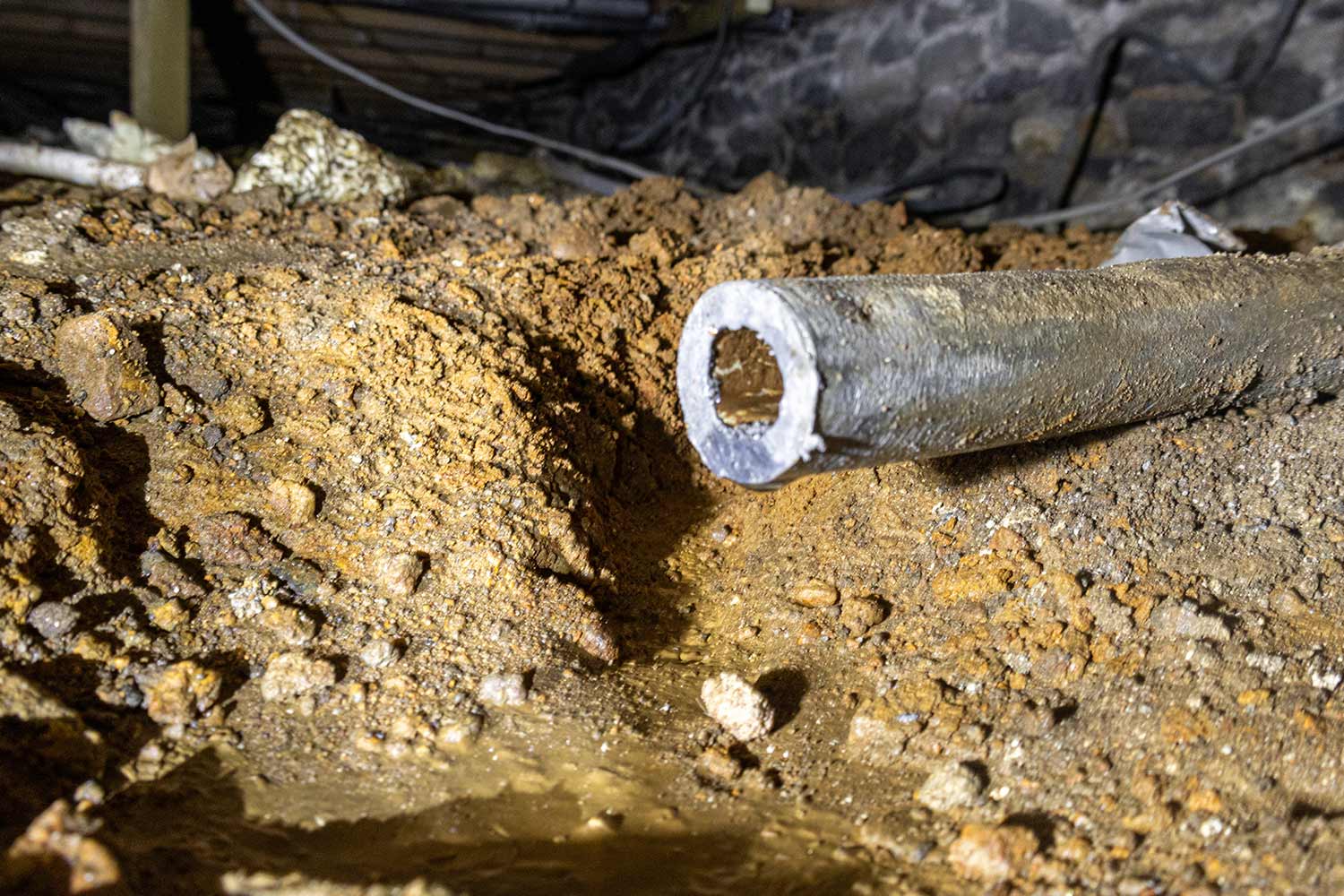
Many homes built before the 1980s were equipped with cast-iron drain pipes. These pipes were durable for their time and intended to last 50 to 70 years. However, as these systems continue to age, signs of wear start to show. Corrosion builds up inside the pipes, reducing flow and causing blockages. Eventually, leaks may develop or the pipe may crack entirely.
Symptoms often begin subtly. Homeowners may notice slow drains, unusual odours emanating from the basement, or recurring clogs that seem to affect more than one fixture. In some cases, wet spots may form on basement floors or walls due to hidden leaks.
The best way to confirm the condition of cast iron pipes is with a video camera inspection. This process reveals internal corrosion, cracks, and buildup, helping determine whether a section needs to be replaced or if a full system upgrade is in order. Replacing cast iron with modern PVC piping offers improved flow, longer lifespan, and fewer unexpected issues.
2. Galvanized Steel Water Lines
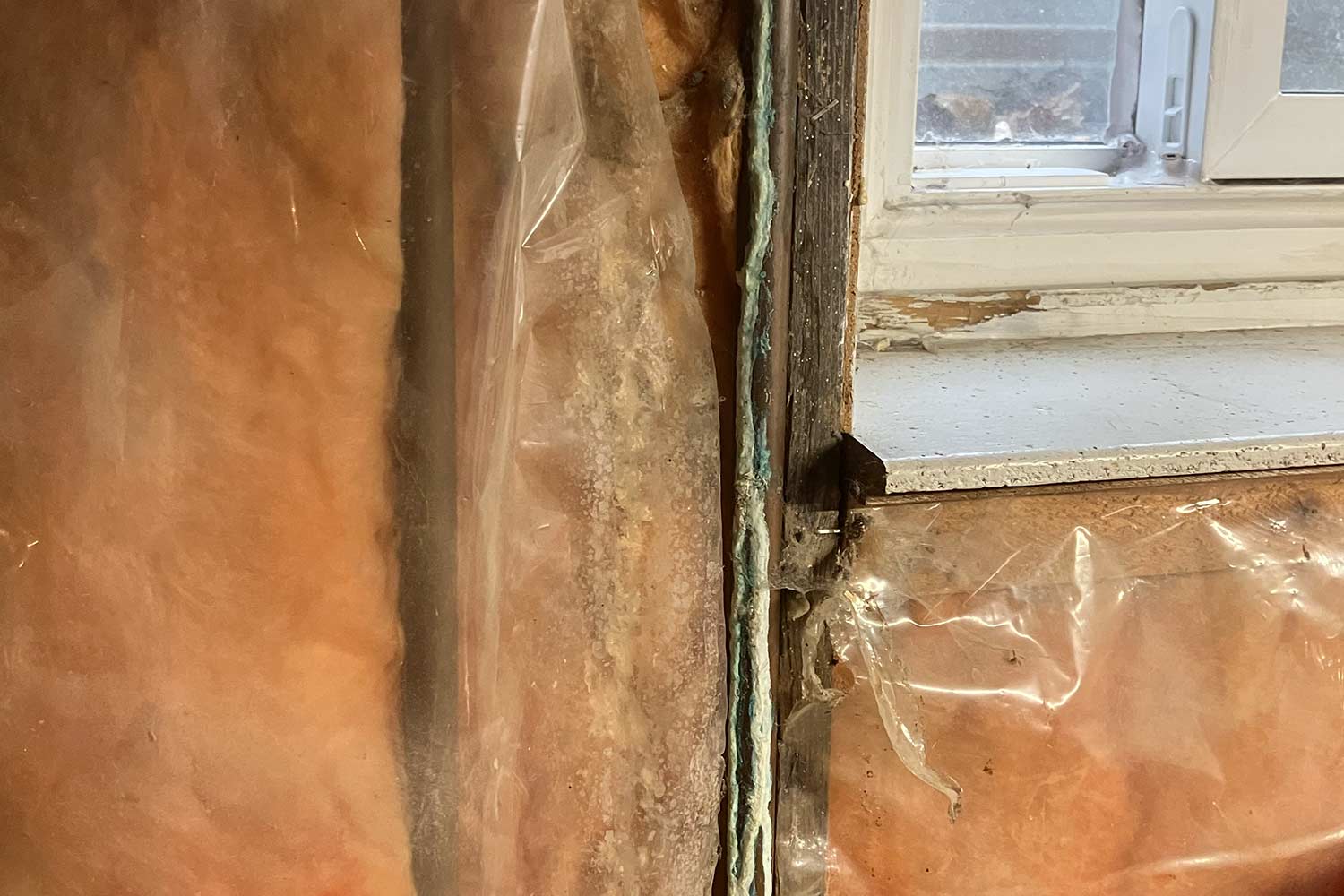
Galvanized steel was once the go-to material for water supply lines. It was considered strong and long-lasting, but time has shown its flaws. These pipes are highly prone to corrosion, which leads to restricted water flow, rusty water, and ultimately, leaks.
In older homes with galvanized lines, water pressure issues are often one of the first red flags. Faucets may lose pressure, showers may struggle to maintain a steady flow, and laundry machines may take longer to fill. Another sign is discolored water, especially after a period of inactivity. This is caused by rust inside the pipes breaking loose.
Unfortunately, once galvanized lines begin to corrode, there is no reliable repair. The only long-term solution is to replace them with copper or PEX piping. This process can be done in sections or as a full-home repipe. While it may seem like a significant task, it brings peace of mind and greatly improves water quality and pressure.
3. Tree Root Intrusion in Sewer Lines
London is home to many tree-lined neighborhoods where the roots of large, mature trees stretch deep underground. Unfortunately, those roots often infiltrate older clay or concrete sewer lines. These older materials are not as durable or watertight as today’s PVC systems. Over time, small cracks or loose joints develop, giving tree roots the perfect entry point.
As roots grow inside the pipes, they trap debris and slow down the flow of water. Toilets may begin to gurgle, drains might take longer to empty, and backups can become a regular event. In severe cases, roots can crush the pipe completely or cause wastewater to back up into the home.
The first step in addressing this issue is a sewer line inspection. Using specialized equipment, plumbers can identify the exact location and severity of the root intrusion. From there, options may include hydro jetting to clear the roots, root cutting, or, in some cases, trenchless pipe lining to restore the interior of the pipe without excavation. If the damage is extensive, full replacement may be the best option.
Taking action early can prevent costly and damaging issues to the yard or foundation.
4. Basement Flooding and Sump Pump Failure
Many older homes in London were built before advanced basement waterproofing systems became standard. Combine that with aging sump pumps and unpredictable weather, and the risk of basement flooding increases significantly.
Basements that take on water during heavy rain or melting snow often rely on sump pumps to remove excess water and protect the foundation. If the pump fails or cannot keep up, water has nowhere to go. This can lead to property damage, mold growth, and even electrical hazards.
Common signs of sump pump trouble include the pump running nonstop, making unusual noises, or failing to turn on at all. Homeowners may also notice water pooling around the sump pit or a musty smell in the basement.
To avoid issues, it is essential to test the sump pump regularly, especially in the fall and spring. Pouring water into the pit to see if the system activates is a quick check. Installing a battery backup system can also help ensure operation during a power outage. In addition, sealing basement cracks and improving drainage around the home will reduce the pump’s workload.
5. Outdated or Inefficient Water Heaters
Hot water is something many people take for granted until it runs out or the system fails. Older water heaters, especially those over 10 years old, begin to show signs of age and wear. Sediment buildup inside the tank is a common issue, causing the system to work harder while delivering less hot water.
Symptoms of a failing water heater include water that takes longer to heat, inconsistent temperatures, or popping and rumbling sounds from the tank. These sounds are often caused by sediment hardening and interfering with the heating element.
In some cases, flushing the tank can restore performance. This should be done once or twice a year, especially in areas with hard water. If the unit is leaking or simply not meeting household demand, it may be time for a replacement.
Newer tankless systems and high-efficiency models offer improved performance, reduced energy consumption, and more consistent water temperatures. Upgrading an older unit also reduces the risk of a mid-winter breakdown, which is when water heaters tend to fail most often.
When to Schedule a Plumbing Inspection
Knowing about these common issues is only the first step. The next step is deciding when to take action. Any home over 30 years old can benefit from a thorough plumbing inspection, especially if there have been signs of trouble. This includes recurring clogs, discolored water, reduced pressure, or unexplained moisture in the basement.
An inspection should include a review of water lines, drain systems, sump pumps, water heaters, and any visible piping. It helps catch minor issues before they grow into bigger problems. Inspections are also a smart move before starting major renovations or listing a home for sale.
Homeowners who are unsure about the condition of their plumbing system should not wait for a major failure to occur. Taking a proactive approach ensures systems are safe, efficient, and ready to perform during every season.
Fix Plumbing Problems in Older London, Ontario Homes
Older homes in London and the surrounding area have stood the test of time, but aging plumbing systems eventually need attention. Issues like corroded pipes, sewer line blockages, or outdated water heaters don’t just cause inconvenience; they can lead to costly damage if left unchecked. Knowing what to look for is the first step. Acting before a small issue turns into a bigger one is what keeps things under control.
Whether it’s a quick repair, a system upgrade, or a full inspection, now is the time to prepare. With licensed technicians, guaranteed workmanship, and no hidden fees, trusted support is available to help protect your home through every season.
Schedule a fall inspection today and stay ahead of winter plumbing problems before they start.