Commercial renovations look straightforward on paper until you open up the walls. Electrical, framing, and finishes usually get the most attention on the blueprint. Plumbing rarely takes center stage until it becomes the bottleneck that delays occupancy. In London, Ontario, where commercial spaces range from historic downtown buildings to modern retail plazas, updating these properties requires careful planning.
Commercial renovation plumbing is not just about running pipes. It is about designing a system that accommodates higher occupancy, complies with municipal codes, and supports daily operations without constant maintenance. When plumbing is planned early, projects stay on schedule. When it is treated as an afterthought, drywall gets torn out, inspections fail, and budgets spiral.
This guide covers what builders and property managers need to evaluate before rough-in, where commercial drainage systems typically fall short, and how to keep water and waste systems up to code without blowing your timeline.
Why Commercial Plumbing Requires Early Planning in Renovations
Commercial spaces operate on a completely different scale than residential homes. You are dealing with higher fixture counts, heavier daily usage, stricter code requirements, and complex multi-tenant layouts. When an older building is repurposed or expanded, the existing plumbing infrastructure is rarely sized for the new demand.
Outdated or undersized systems cause frequent backups, sudden pressure drops, and costly mid-project changes. Commercial plumbing work in London must account for waste volume, venting capacity, and supply line sizing from day one. Skipping this step forces contractors to tear into finished work later, which pushes back move-in dates and inflates project costs.
Getting the rough in right the first time is not just about compliance. It is about creating a system that handles peak occupancy without emergency service calls or tenant downtime.
Key Systems to Address Before Drywall Goes Up
Commercial plumbing is a network of supply, drainage, venting, and gas lines that must work together under heavy use. Focusing on these core areas during the planning phase prevents operational issues down the road.
Water Supply and Pressure Management
Adding restrooms, kitchens, or break rooms increases water demand. If existing supply lines are too narrow or outdated, pressure drops during peak hours. Staff and customers notice it immediately. Slow-filling sinks, weak fixture output, and inconsistent appliance performance are all signs of inadequate water delivery.
Upgrading pipe diameter, installing commercial-grade pressure regulators, and adding dedicated lines for high-demand equipment help prevent these issues from disrupting operations. Proper pressure management also extends the lifespan of commercial fixtures and water heaters.
Drainage Capacity and Pipe Sizing
Drain lines handle significantly more volume in commercial settings. Food service businesses, salons, and medical offices all produce wastewater that requires larger pipe diameters and correct slope ratios. If the slope is too shallow, waste moves slowly. If it is too steep, liquids outrun solids, leading to frequent blockages.
A properly designed commercial drain installation across London prevents backups, slow drainage, and expensive emergency call-outs. Material selection also matters. Cast iron, PVC, and HDPE each have specific applications based on chemical exposure, temperature tolerance, and municipal requirements. Choosing the right material during the rough-in phase avoids premature wear and code violations.
Venting, Backflow Prevention, and Gas Lines
Drain venting keeps water flowing smoothly and stops sewer gas from entering the building. Commercial layouts often require larger or additional vent stacks to meet code. Skipping this step leads to gurgling drains, siphonage, and foul odours that impact the customer experience.
Backflow prevention is mandatory in most commercial renovations. It protects the municipal water supply from contamination when pressure drops occur. If your renovation includes commercial kitchens or laundry facilities, gas line sizing and leak testing must be coordinated early. Proper gas piping ensures equipment operates safely and efficiently from day one.
Common Renovation Mistakes That Lead to Costly Callbacks
Even experienced property owners can overlook critical plumbing details during a commercial build. Relying on residential-scale fixtures for high-traffic spaces is a frequent mistake. Standard toilets and faucets simply cannot handle constant commercial use without frequent repairs.
Another common issue is ignoring the grease trap or floor drain requirements. Food service and cleaning heavy businesses need specialized drainage systems. Installing standard drains instead leads to blockages, foul odours, and failed municipal inspections.
Skipping coordination between plumbing rough-ins and architectural changes also causes major setbacks. Walls shift, ceiling heights change, and structural supports move. If the plumbing layout is not updated to match, fixtures end up in the wrong locations or lines get blocked during framing.
- Watch for these warning signs before closing up walls:
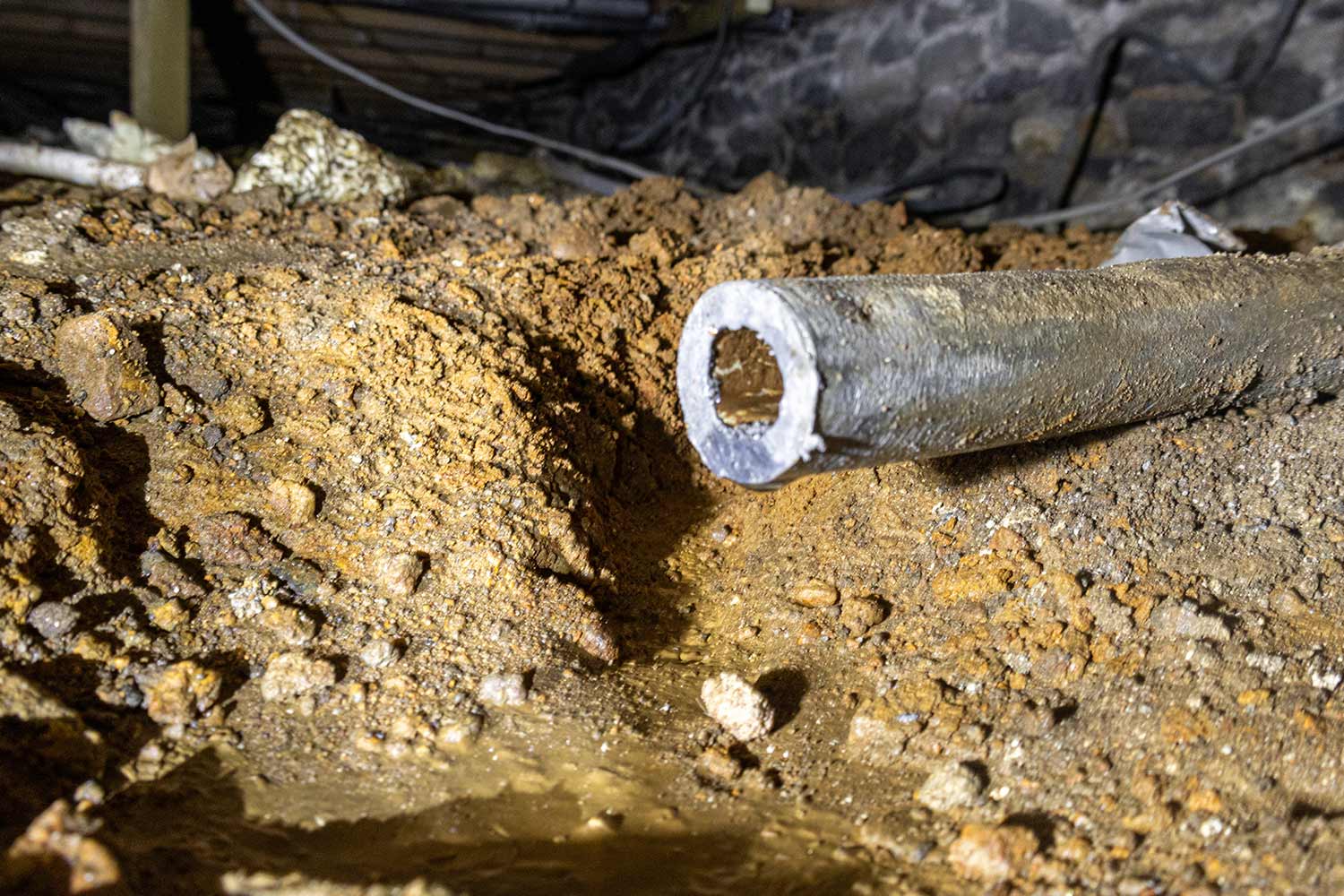
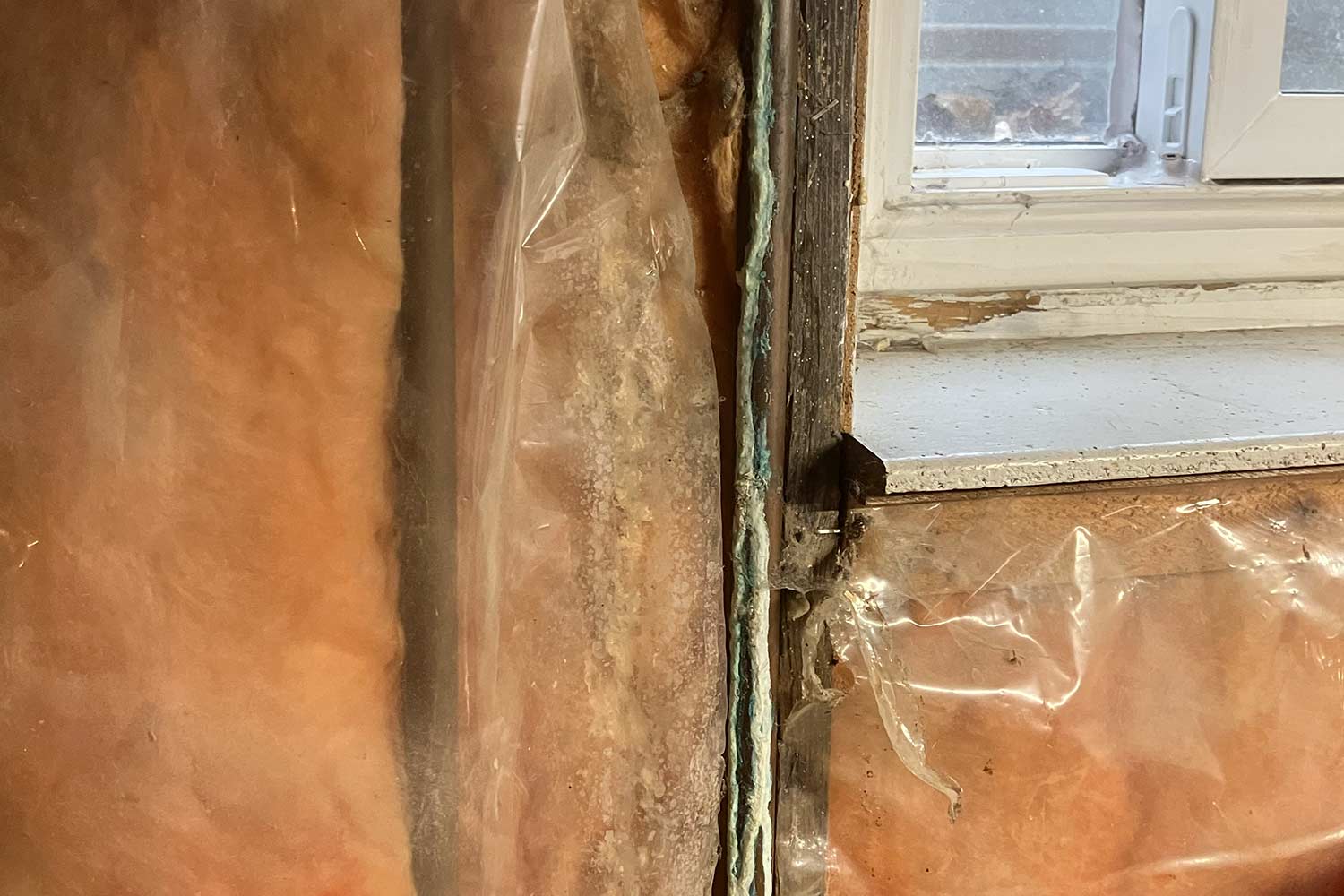
- Pipe materials that show signs of corrosion or outdated galvanized steel
- Drain layouts that do not match the new fixture count or business type
- Missing cleanout access points for future maintenance
- Vent stacks that do not align with current Ontario Building Code requirements
Addressing these issues during planning prevents expensive rework and keeps the project moving forward.
How the Right Plumbing Partner Keeps Projects on Track
Commercial renovations require precise scheduling, clear communication, and strict adherence to codes. Working with a licensed commercial plumbing team ensures that every phase of the project moves forward without delays.
Experienced plumbers coordinate directly with general contractors, electricians, and HVAC technicians. They phase the rough in, schedule inspections efficiently, and source materials in advance to avoid supply chain bottlenecks. Upfront pricing keeps budgets predictable. There are no surprise change orders or hidden fees that derail the project timeline.
A dedicated plumber who partners with local builders streamlines communication, inspection readiness, and final sign-offs. When drainage, supply, and venting are planned together, inspections pass faster, occupancy permits arrive sooner, and your project stays on track.
Why London Builders and Property Managers Trust Plumbing For Life
Commercial renovations move quickly, and plumbing decisions directly impact your timeline, budget, and long-term operations. As a family-owned business serving London since 1997, we understand the coordination required to keep rough-ins, inspections, and trade schedules aligned. Our licensed technicians focus on clear communication, upfront pricing, and guaranteed workmanship so you can close walls with confidence.
We work directly with contractors and property managers to map supply lines, properly size drainage, and verify code compliance before drywall goes up. This prevents mid-project changes, inspection delays, and costly rework down the line.
If your commercial renovation is entering the planning phase or you need to evaluate existing plumbing before the demo begins, do not leave it to guesswork. Contact Plumbing For Life today to schedule a pre-renovation plumbing consultation.